A google search of “naming practices” or “naming conventions” will return thousands of articles explaining how our ancestors named their children, and many will carry a “not all parents followed these conventions” disclaimer. I know this because I have been trying for years – without success – to figure out how my great-grandparents came up with the names of their daughters.
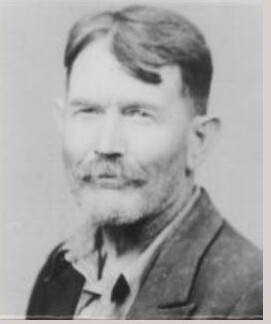
Carroll Allen Cooper and Sarah Malona (Lona) Smith, the parents of my paternal grandmother, had 12 children. Their first, a son named Albert Troy, was followed by 11 daughters: Neta Paralee, Eura Ethel, Lena Vergie, Lester, Audie Meeker, Dexter Mae, Lissie Taquoy, Dessie Audaline, Bessie Edith, Mildred Nellie, and Faye Hester, all born over a period of 19 years. As a child I was fascinated by the “Cooper Sisters” and would grill my grandmother about the history behind the names. “Why do you and Dexter and Lester have boys’ names? Did your dad wish you were boys?” “Where did ‘Taquoy’ come from?” “Why did they call you Audie Meeker? Did your parents know someone named Meeker?” She didn’t know the answer to any of my questions.
Carroll and Lona didn’t follow the ‘standard’ naming convention, which varies but typically looks something like this:
The first daughter is named after the maternal grandmother (in this case, Cynthia); the second is named after the paternal grandmother (Nancy); the third is named after the mother (Sarah Malona); the fourth is named after the mother’s oldest sister (Lona didn’t have one) or maternal grandmother (Lucinda Jane); the fifth is named after the father’s oldest sister (Malinda Ellen) or maternal grandmother (Elizabeth); and other daughters were named after a favorite sister or friend.
The argument could be made that Lena, the third daughter, is a variant of Lona, the mother’s nickname. Beyond that, none of these ‘rules’ apply. Nor do the names match those of any close relatives, and none of the cousins I’ve asked over the years were able to provide any insight. A search of census records from Searcy County, Arkansas (where the family lived until about 1903) and Muskogee County, Oklahoma (where they settled after that) don’t reveal friends or neighbors who may have inspired the girls’ names, although I did learn that Audie is not a boy’s name after all.
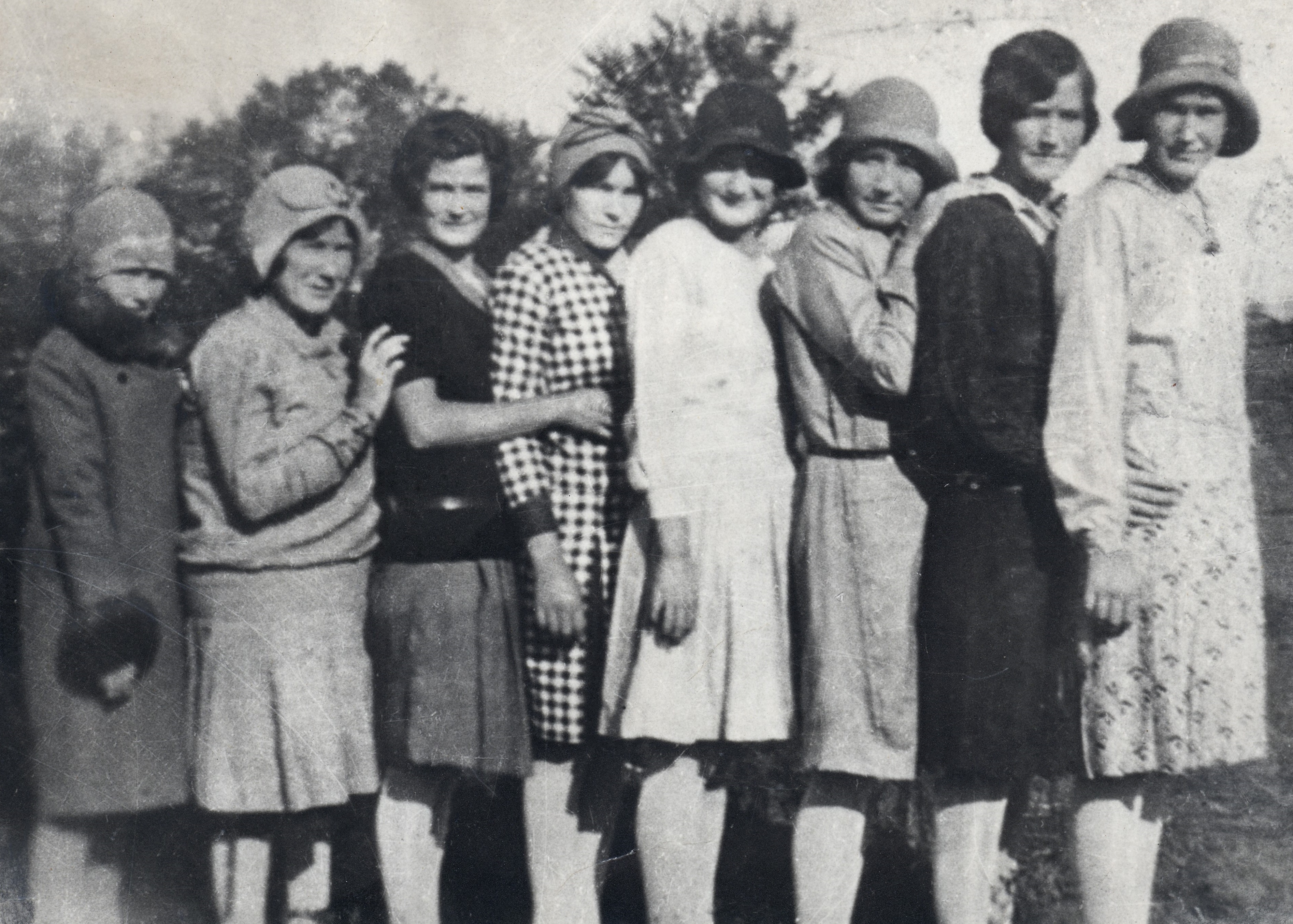
The Cooper Sisters were all in their 50s and 60s when I was born. By that time most of them had migrated to California and several lived in Taft, where I would spend summers with my grandparents. They were amazing women and spending an hour with them was like stepping back in time–they made lye soap and dipped snuff and talked about killing chickens with their bare hands. I once asked my grandparents about moving from Oklahoma to California during the Dust Bowl; my grandfather said it was terrible, and Grandma disagreed. “People starved to death,” he said. She replied with “Well, we didn’t.” She and her sisters seemed to be born with an innate sense of acceptance that whatever happened was meant to be, that suffering is part of life, and that you just “make do.”
As a group, they were hilarious. When several of them got together the stories would flow and the volume would go up. My Grandma was in many ways exactly what you would expect a grandmother to be – she spent most of her time in the kitchen, didn’t swear (when she was really frustrated she would say “Ah, shhttt” — apparently it’s not a swear word if it doesn’t have a vowel), and never missed church or her soap operas (she called them ‘stories’). But she always seemed lighter when she was with her sisters, as if it was the only time she could really be herself.
My grandmother had a picture, taken in the 1920’s, of several of the sisters standing in a row, arranged from the shortest to the tallest. She once explained to me that when she was 16 years old she got a job cleaning house for a local family. The first pay she received was spent on hats for her sisters; the photo was taken that day. Seventy years later she was able to remember the color of each hat and why she chose it for that sister. It’s a wonderful photo, but it’s the story behind it – the love that she obviously felt for each one of those amazing women – that makes it my favorite picture of the family.
All of this has nothing to do with how they got their names, but writing it makes me realize that the name doesn’t matter. It’s their collective courage, resilience, humor, and faith that makes them such an important part of my own story. I’d like to think that I inherited some of those qualities, and certainly wish I had more of them.
But I’d still pay money to find out where they came up with “Taquoy.”
 Ordinary People